
Back to Beat Chuck · Iowa Hawkeyes
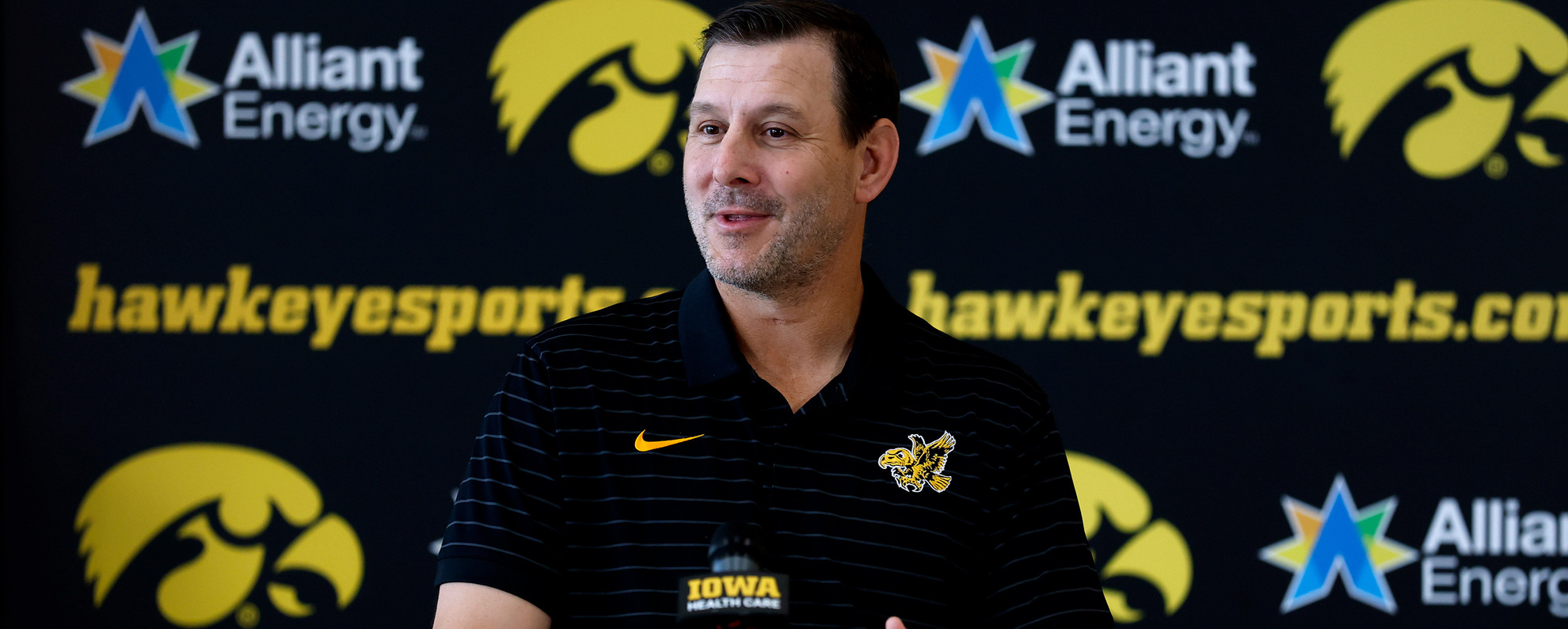
Why Iowa’s motion matters before the snap.
Lester’s bye-week explanation connects moving receivers to changing gaps and offensive-line decisions.
Share this article
Free to play
Iowa football challenge cards
The Nebraska card is available. Minnesota and Wisconsin cards await confirmed kickoff times.
View Hawkeyes challenges →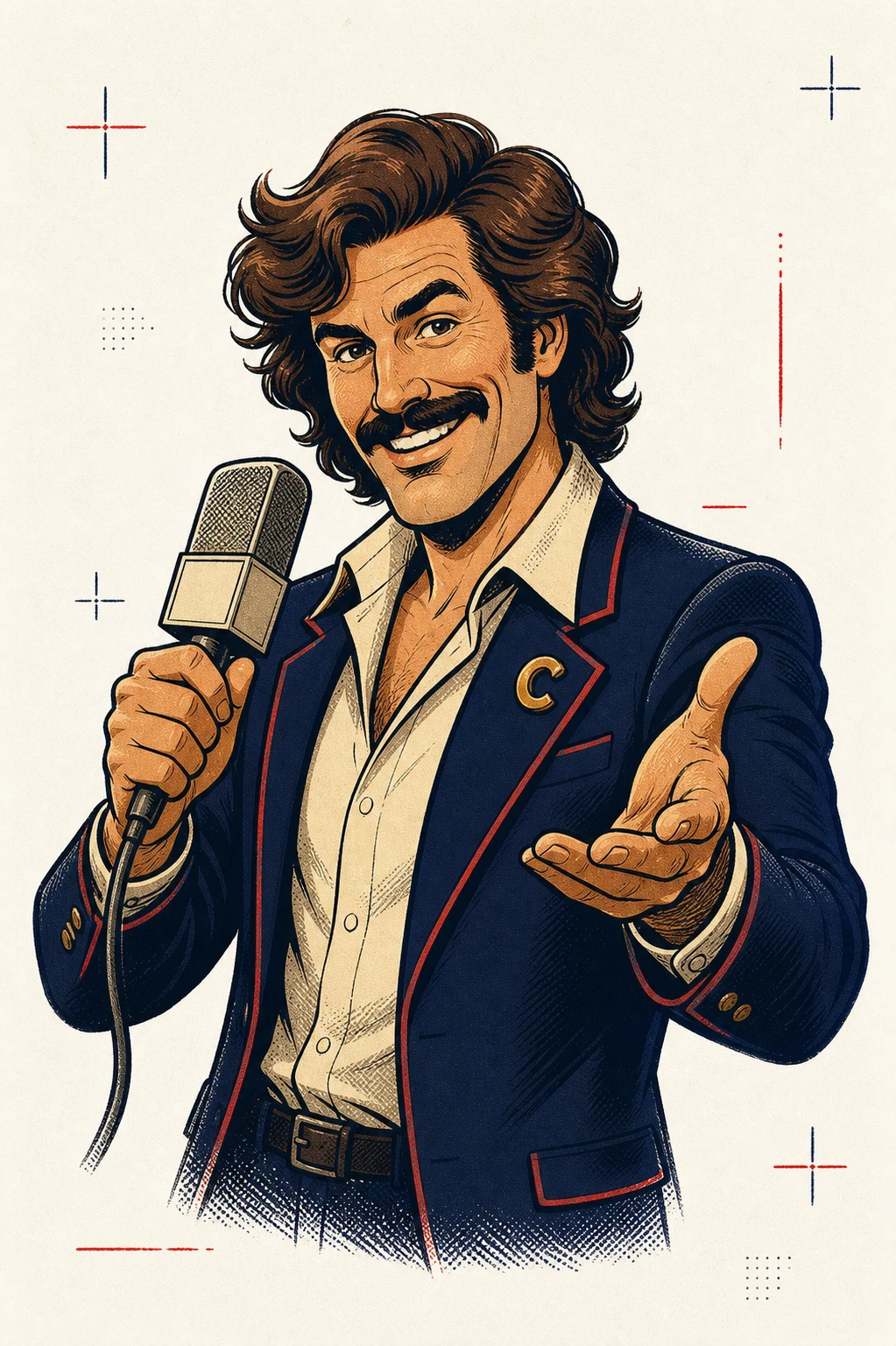
 Proposed presenting sponsor · Independent fan conceptVisit Iowa Lottery
A place in the game-day conversation.
Concept creative only. Lottery promotions stay separate from free football picks.
More from Beat Chuck · Iowa Hawkeyes
Related stories
Proposed presenting sponsor · Independent fan concept
Visit Iowa Lottery A place in the game-day conversation.
Concept creative only. Lottery promotions stay separate from free football picks.